
Membership
Our work is driven by the collaborative efforts of urban workforce development boards (WDBs) across the Midwest, working together to strengthen communities and expand economic opportunity.
What is MUS Membership?
Midwest Urban Strategies offers a unique collaborative network that connects urban workforce development organizations across the Midwest, fostering innovative solutions and sharing best practices to enhance regional economic growth.
By joining our organization, members gain access to a wealth of resources, including expert insights, funding opportunities, and powerful partnerships, all aimed at driving meaningful change in their communities.
Together, we are dedicated to creating a more skilled and prosperous workforce, making Midwest Urban Strategies the ideal partner for organizations committed to making a difference in the urban landscape.














Our Member Organizations

ASPYR Workforce Innovation
The Workforce Development Board of Central Ohio serves the city of Columbus and Franklin county. The Board serves the residents and employers in their workforce region, connecting them to training and supportive services and coordinating the planning and convening of workforce system partners from throughout the region. Operating in a collaborative service delivery model, the Board contracts with ResCare to convene three trusted workforce system partners to deliver services to job seekers and incumbent workers. Those system partners include the Urban League, Goodwill, and Jewish Family Services.

CAEL (Council for Adult and Experiential Learning)
CAEL is a national nonprofit membership organization that aligns educators, employers, and community leaders to build inclusive systems where adult learners and workers can thrive. Through its expertise in recognizing prior learning, mapping career pathways, and fostering industry-education partnerships, CAEL supports the creation of resilient talent pipelines and sustainable economic outcomes.


Center of Workforce Innovations
Center of Workforce Innovations is a multi-management nonprofit workforce development organization with its finger on the pulse of employment, education, and economic development. They are a catalyst for community and business investment in workforce, education, and economic development building and enhancing collective capacity to succeed in a new global economy.
Understanding challenges associated with aligning workforce skills to meet the needs of employers, and elevating talent for emerging next generation jobs, CWI is poised and ready to provide solutions and implementation processes.
Consider this. As an organization CWI has a dual purpose.
They serve as an intermediary which is known for its convening community and industry groups to facilitate solutions, providing data and labor market information, offering information about resources, and seeding best practices that help in formulating the solutions. They also directly deliver services such as career advising, provide credit recovery programming, have community learning centers for adult education services while overseeing a network of adult education providers, and they provide oversight for the American Job Centers, known as WorkOne in Indiana.
Commonly known for identifying and implementing best practices, CWI has administered more than 40 public and private ventures intended to improve the quality of the workforce, enhance the business climate, and ensure the realization of a higher quality of life.
While remaining a driver of workforce development in NW Indiana, CWI strategic priorities are on empowering its regional workforce through high quality career advising, skill building and efforts to increase post-secondary credential attainment.
Chicago Cook Workforce Partnership
Created in 2012, The Chicago Cook Workforce Partnership (The Partnership) is an umbrella organization operating the public workforce system in the City of Chicago and Cook County. The Partnership combines federal and philanthropic resources to broaden the reach and impact of workforce development services for both employers and job seekers. As the largest non-profit workforce development system in the nation, The Partnership has helped place more than 70,000 individuals in employment, collaborated with more than 2,000 employers, and administers more than $300 million in federal and philanthropic funds. The Partnership’s network of more than 50 community-based organizations, 10 American Job Centers, and sector-driven workforce centers serve 132 municipalities.
https://chicookworks.org/
City Of Minneapolis Employment & Training
Minneapolis Employment and Training administers a variety of employment and training programs under the direction of the Mayor, City Council, and Minneapolis Workforce Council. Minneapolis Employment and Training is the administrative entity and staff to the Minneapolis Workforce Council. City programs under the oversight of the Workforce Council include services for low-income adults, dislocated workers, and youth. In Minneapolis, these services are delivered to job seekers and businesses by community-based organizations that have been competitively evaluated and selected based on their ability to effectively serve target groups and achieve employment-related outcomes, including both placement and support for retention in employment.
.png)
DESC - Detroit Employment Solutions Corporation
Detroit Employment Solutions Corporation (DESC) became the city of Detroit’s workforce agency in 2012. DESC is part of the Michigan Works! Association anda proud partner of the American Job Center network. DESC regularly partners with political and community leaders, employers, community-based organizations, and stakeholders to raise awareness regarding education and workforce issues facing Detroit residents. DESC serves as the fiscal and administrative entity that provides workforce employment and training services for the City of Detroit. DESC reports to the Mayor’s Workforce Development Board (MWDB), which was appointed by the Mayor of the City of Detroit and is responsible for developing the strategy for Detroit’s workforce development service delivery system.

Educational Data Systems, Inc. (EDSI)
EDSI (Educational Data Systems, Inc.) is a national workforce development, training solutions and consulting company with a passion for helping great companies and communities train and retain great people. EDSI works with regions, employers and jobseekers to overcome their most challenging obstacles. Founded in 1979 and headquartered in Dearborn, Michigan, the company employs more than 800 people across the country. EDSI is a National Best and Brightest® Companies To Work For award winner.

EmployIndy
EmployIndy has transitioned to focus on target impact areas to create a more community-driven initiative, becoming a hub for targeted populations and those who have given up hope in the possibility of entering or re-entering the workforce. Establishing a more neighborhood-focused form of workforce development will be designed by both increasing the implementation of resources in local community centers and reducing barriers for residents so they may have access to career pathways and gain the necessary skills to excel in the workforce. This strategy presents employers with qualified candidates to fulfill their hiring needs. This ABC (Any Job, Better Job, Career) Approach exemplifies the transitional goal for both workers and employers, realizing that having access to a career and skilled workers is a journey, not just a destination.
Employ Milwaukee
Employ Milwaukee (EMI) was established in 1989 and is the largest Workforce Development Board in Wisconsin, serving the most diverse racial and economic area in the state. Governed by a board of 36 leaders from the public, private, and nonprofit sectors, EMI employs 72 workforce development professionals, coordinates industry leaders across five sector-based advisory boards, and administers an annual budget of over $20 million. The board conducts data tracking and case management for its monthly quantitative and narrative reports to its 20+ funding and government partners. EMI has established an Industry Advisory Board (IAB) operating model around key industry sectors and occupations. Employer and industry representatives drive the alignment of EMI’s talent sourcing and skill development strategies to respond to the current workforce and labor market needs.


Kentuckiana Works
KentuckianaWorks is the workforce development board for the Louisville region, which includes Bullitt, Henry, Jefferson, Oldham, Shelby, Spencer, and Trimble counties. We are funded primarily by the U.S. Department of Labor and the Workforce Innovation and Opportunity Act (WIOA) (through the Kentucky Education Workforce Development Cabinet) and Louisville Metro Government.
We operate a regional network of Kentucky Career Center services that includes job and career counseling, training, resume-building and direct referral to employers.
Our 2021 Strategic Plan lays out our priorities as an organization. We have also developed a Regional Plan for the Central Kentucky region's workforce as well as a Local Plan, both of which are required by the Workforce Innovation and Opportunity Act (WIOA).
In January (Indiana) and May 2021 (Kentucky), we submitted a draft Bi-State Regional Plan for review. This plan, among the first of its kind in the nation, lays out a framework for KentuckianaWorks and Southern Indiana Works to share data and collaborate across the 13 counties that comprise the Louisville region. It is designed to improve the responsiveness to the needs of the region's employers, job seekers, and students.



South Central Region 8 Workforce Board, Inc.
The South Central Region 8 Workforce Board, Inc. (WDB) is a registered 501(c)(3) not-for-profit corporation which has oversight of employment and training programs in the following eight counties: Brown, Daviess, Greene, Lawrence, Martin, Monroe, Orange and Owen. The WDB serves as a pass through entity providing employment and training programs in the Economic Growth Region 8 using a variety of state and federal grant resources, including those available through the Workforce Innovation and Opportunity Act (WIOA), Re-employment Services and Eligibility Assessment (RESEA), Adult Education WorkINdiana Training Program, Jobs for America’s Graduates (JAG), Business Services.The WDB is governed by a volunteer board that will initiate program directives and provide oversight and guidance on program operations. Crowe, LLP serves as the Board's Fiscal Agent.
https://www.in.gov/dwd/workonesouthcentral/resources/

Southwest Indiana Workforce Board
The Southwest Indiana Workforce Board is comprised of business and community organization representatives in Southwest Indiana. The Board oversees the workforce development initiatives and the WorkOne Southwest offices in Dubois, Gibson, Knox, Perry, Pike, Posey, Spencer, Vanderburgh and Warrick counties.
.jpg)
Stark Tuscarawas Workforce Development Board
The mission of the Stark Tuscarawas Workforce Development Board is to assist area businesses in meeting their workforce needs by coordinating the workforce development activities of the numerous employment, education, and economic development entities in the region. The OhioMeansJobs One-Stop System strives to act as a consolidated employment resource for all partner programs, employers, and job seeker customers while supporting the mission of the Workforce Development Board. These platforms provide free services made possible through funds provided by the U.S. Department of Labor and operated locally by the Stark Tuscarawas Workforce Development Board and the Stark and Tuscarawas Boards of County Commissioners.
.png)
St. Louis Agency on Training and Employment (SLATE)
The St. Louis Agency on Training and Employment (SLATE) offers job seekers and businesses a variety of no-cost employment services, including job training and career counseling. It is the City of St. Louis government agency that offers job seekers and businesses a variety of no-cost services related to employment, training, and career advancement. SLATE, in coordination with the Missouri State Department of Economic Development (DED), Division of Workforce Development (DWD), the City of St. Louis Mayor's office and several partners, operates SLATE Missouri Career Centers, which connect employers to a skilled workforce and provide training and placement services to the City's adult workforce.

The Full Employment Council (FEC)
The Full Employment Council Inc. (FEC) is the administrative entity and fiscal agent for two workforce development boards: Kansas City & Vicinity Workforce Development Board and Eastern Jackson County Workforce Development Board. FEC is a business-led private nonprofit corporation whose mission is to obtain public and private sector employment for the unemployed and underemployed residents of the greater Kansas City area. FEC accomplishes this goal by working in collaboration with businesses, local units of government, educational institutions, labor organizations, and community-based organizations. This partnership responds to employer needs while reducing unemployment and underemployment of area residents.

The Northwest Indiana Workforce Board
The Northwest Indiana Workforce Board is a 27-member business member led board representing seven counties of Northwest Indiana including Lake, Porter, LaPorte, Newton, Jasper, Starke, and Pulaski counties. The board incorporated in 2005 as a non-profit board working in partnership with Local Elected Officials covering each of the seven counties. As part of its infrastructure, the Northwest Indiana Workforce Board has contracted with the Center of Workforce Innovations, Inc. to serve as the board staff, as the One Stop Operator, and to provide some services of Title 1 of WIOA.

The Workforce Alliance
The Workforce Alliance, initially established in 2016 among six workforce boards in North Florida and South Georgia to break down barriers for job seekers while helping employers hire and retain skilled workers, expanded in FY 2020-2021 with two additional Florida boards and Southeast AlabamaWorks.
The Workforce Alliance is now the first tri-state alliance in the southeast, with nine workforce boards serving 76 counties, thoughout North Florida, South Georgia and Southeast Alabama.

Visionz | Support Education Empowerment
Urban and low income youth, especially in Detroit, face a staggering, potentially life-threatening life skills and technology gap. They have lower internet connectivity, fewer computers at home, abysmal access to technology in schools, and they shoulder significant opportunity challenges outside the classroom. Acquiring the life skills that will close these gaps, unfortunately, is a luxury. The Visionz Project plans to close this gap by providing these youth with skills training, education and life support, direct work experience and mentoring relationships.The Visionz Project is a highly interactive training, experiential learning and support program that uses technology, instructor-led classroom training and career exploration activities to teach low income and at-risk youth life skills to help them succeed in life

Workforce Council of Southwest Ohio
The Workforce Council of Southwest Ohio is a 501c3 Ohio chartered nonprofit organization. The Workforce Council of Southwest Ohio implements the Workforce Innovation and Opportunity Act (WIOA) in the City of Cincinnati and Hamilton County. The board is responsible for developing strategies to engage employers, employees, government, education, organized labor and community-based organizations in a partnership to strengthen and expand the workforce resources of the region for the benefit of all the participants and communities where we live, work and raise our families. The SWORWIB sets the vision, policy, and performance expectations for the regional OhioMeansJobs (OMJ) workforce development system In Cincinnati-Hamilton County.
%20hi%20res%20-%20not%20cobranded.jpg)
Workforce Partnership
Workforce Partnership is committed to building a workforce development system that meets the needs of both job seekers and employers throughout the Kansas City area. We operate a network of career centers in Johnson, Leavenworth, and Wyandotte counties offering professional expertise and funding resources to employers and eligible job seekers.
YWCA Metro St. Louis
Founded in 1904, YWCA Metro St. Louis is the region’s largest and oldest organization dedicated to empowering women and eliminating racism. We meet people where they are, offering critical support and opportunity through programs in crisis intervention and housing, early childhood education, and economic empowerment. From helping survivors of domestic violence find safety, to preparing children for lifelong learning, to connecting women with meaningful careers, YWCA Metro St. Louis provides wrap-around services that transform lives and strengthen communities. Every year, we serve more than 10,000 women and families across the region — helping create a future where all people can thrive with dignity, equality, and hope.
MUS Member Spotlight:
St. Louis Agency on Training and Employment (SLATE)
Organization Name:
St. Louis Agency on Training and Employment (SLATE)
Executive Leader:
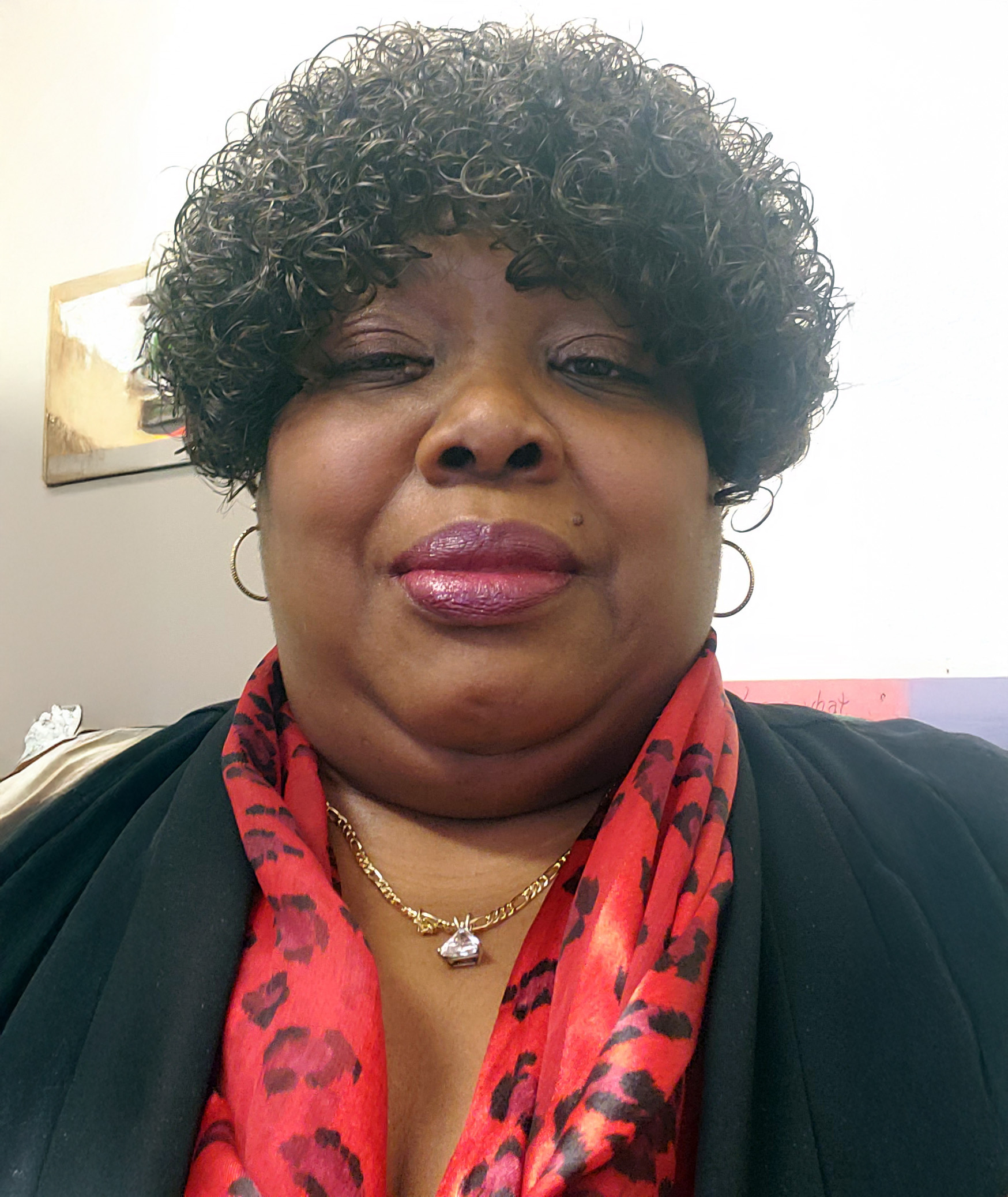
Connie Johnson / SLATE Executive Director
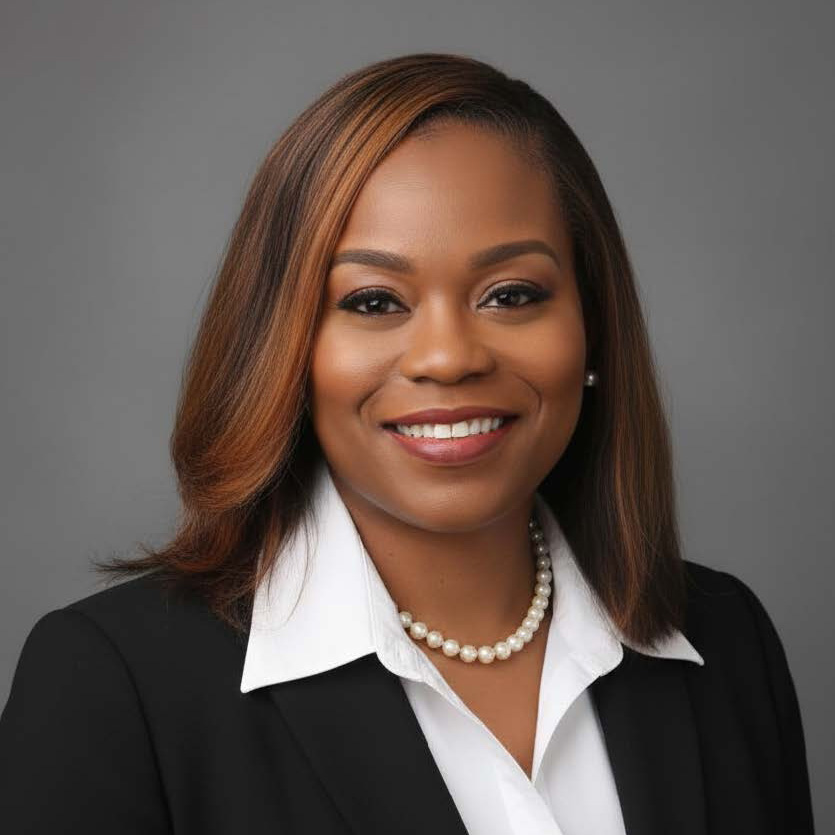
Connie Johnson
Executive Director, St. Louis Agency on Training & Employment, SLATE
Mission & Communities Served
The St. Louis Agency on Training and Employment (SLATE) Missouri Job Center helps the City of St. Louis residents prepare for, find, and keep good jobs. We connect people to career training, education, and support services while helping employers find skilled workers. Through strong partnerships, SLATE strengthens the local workforce and creates opportunities for individuals, businesses, and the community.
Key Services & Programs
SLATE offers career coaching, job search assistance, skills training, and supportive services to help individuals achieve their employment goals. We also partner with employers to recruit qualified talent, develop apprenticeship opportunities, and strengthen the local workforce. Specialized programs serve youth, adults, dislocated workers, and justice-involved individuals.
Success Story / Impact
One of our proudest moments each year is celebrating our YouthBuild graduates. Many participants overcome significant barriers to complete the program, earn industry credentials, and take the next step toward employment or higher education. For many of our participants, this journey is not easy. When they succeed, it is a testament to the power of opportunity, strong partnerships, and a community that believes in their potential—as well as to their own determination. It is especially rewarding to witness the dedication of our YouthBuild staff and the heartfelt appreciation shared by graduates and their families. Seeing young people celebrate their accomplishments and express gratitude for the support they received is both powerful and inspiring. These moments remind us why our work matters.
YouthBuild Graduation (May 2026): https://www.facebook.com/share/p/1cJ6mNs42w/
Why We Joined MUS
We joined Midwest Urban Strategies because we believe strong partnerships lead to stronger workforce outcomes. MUS gives us the opportunity to connect with peers, share best practices, and collaborate on innovative solutions that benefit our communities. Our priorities include expanding apprenticeship opportunities, identifying new programs, strengthening support services, and integrating artificial intelligence into workforce training. Through MUS, we stay connected to emerging workforce strategies and better prepare to serve job seekers and employers in the future.
Fun Fact
Last year, SLATE celebrated 50 years of serving the City of St. Louis.
One of our favorite stories is that our Executive Director, Connie Johnson, got her very first job through a SLATE youth employment program. That summer job helped support her family, and today she leads the same agency that helped launch her career. It's a reminder that workforce development can change lives for generations.
Membership
Midwest Urban Strategies offers a unique collaborative network that connects urban workforce development organizations across the Midwest, fostering innovative solutions and sharing best practices to enhance regional economic growth.
Our organization's members gain access to a wealth of resources, including expert insights, funding opportunities, and powerful partnerships, all aimed at driving meaningful change in their communities.
Apply for Membership
Is your organization ready to join us in building a more skilled, inclusive, and prosperous workforce for the communities we serve?